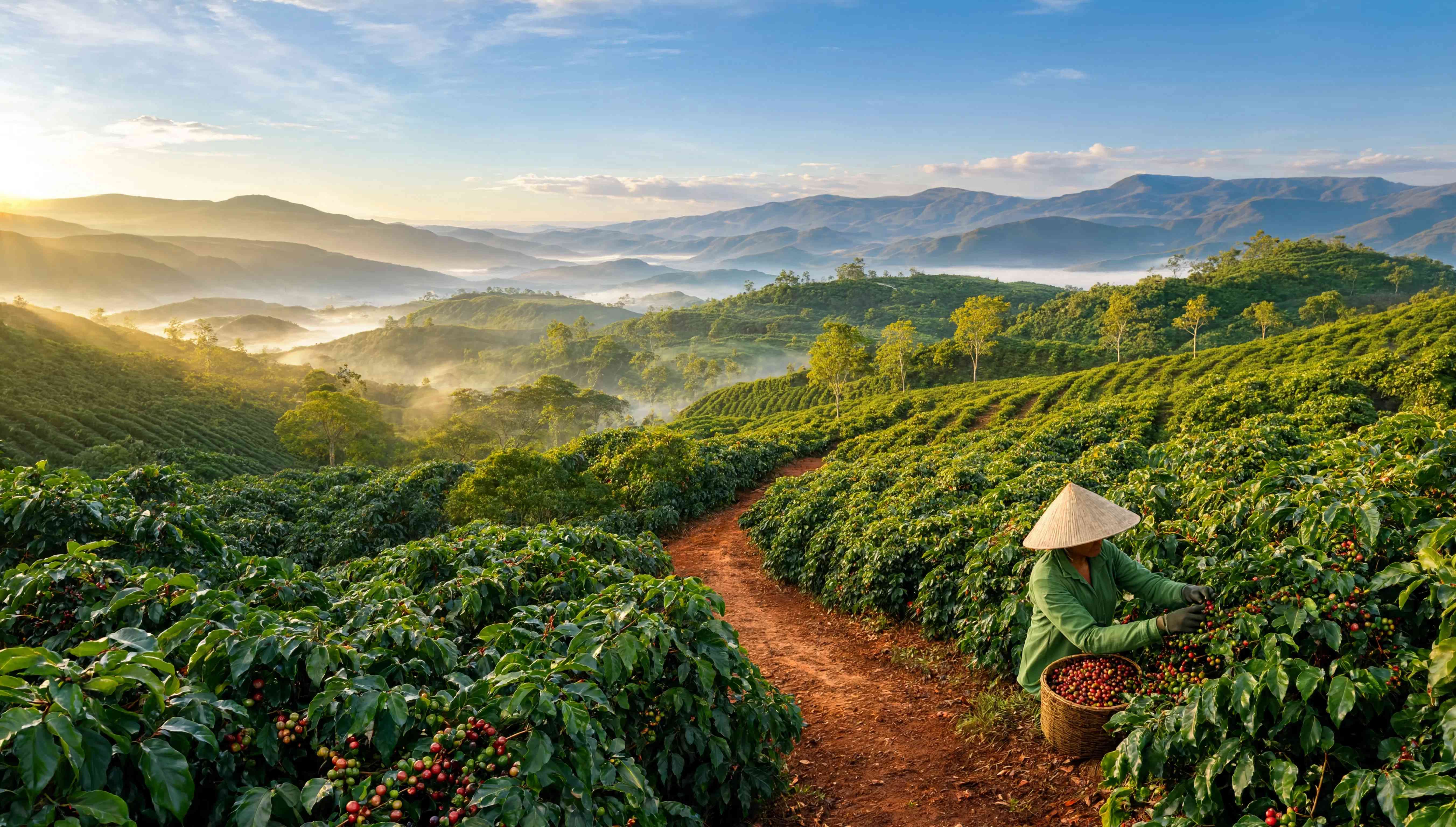
Hạt cà phê xanh không phải lúc nào cũng chỉ gồm những hạt cà phê nguyên vẹn. Trong quá trình từ thu hái đến sơ chế, phơi, vận chuyển và bảo quản, nhiều loại vật chất ngoài mong muốn có thể đi vào cùng lô nguyên liệu. FAO ghi nhận trong cà phê xanh có thể gặp đất, bụi, đá nhỏ, mảnh vỏ, phần thịt quả, cành và những phần quả khô còn sót lại.
Điều này cho thấy kiểm soát dị vật phải bắt đầu từ nguyên liệu, không thể chờ đến xưởng rang mới xử lý.
Từ đồng ruộng đến điểm thu hái
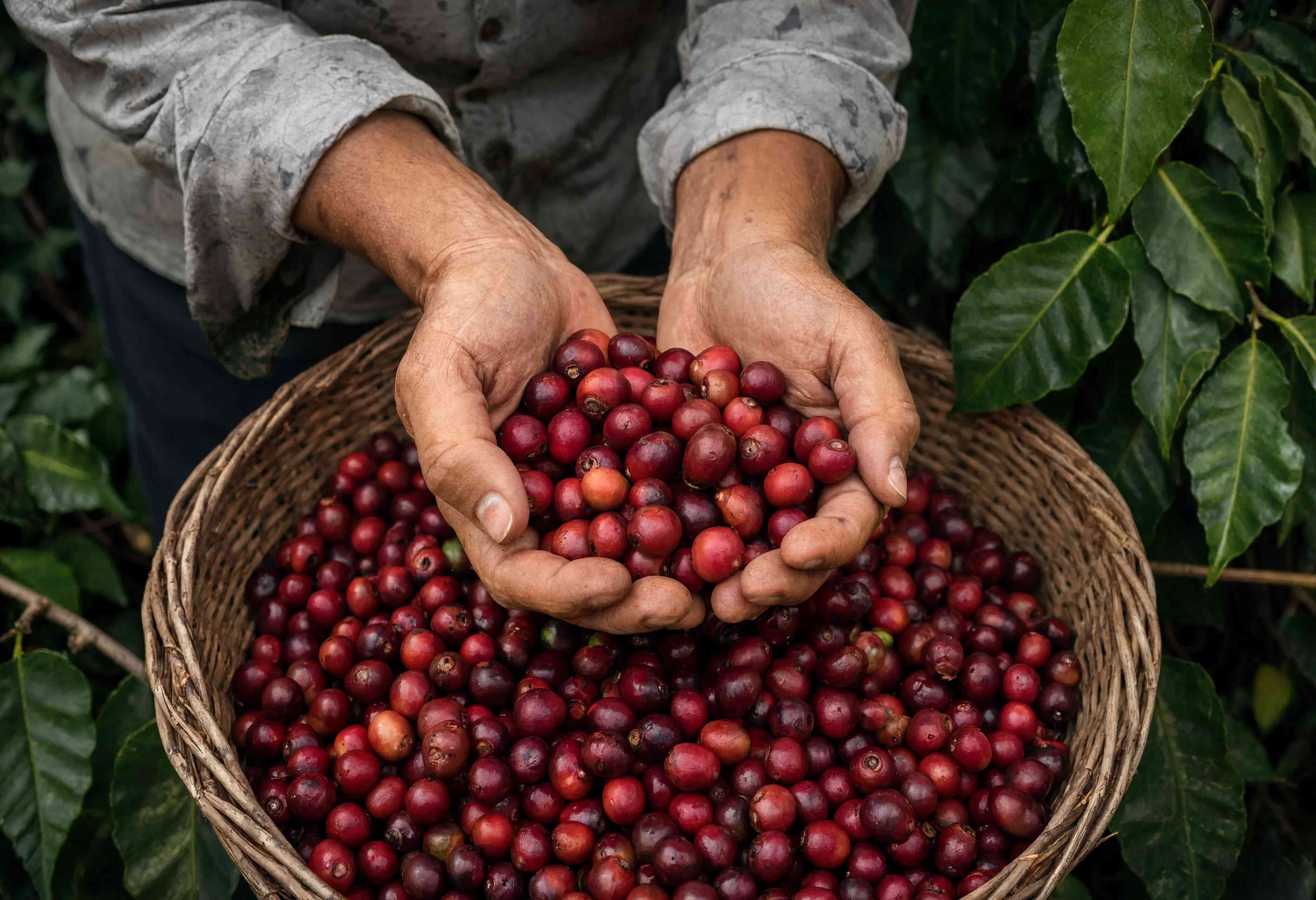
Ngay tại nơi thu hái, đất, đá nhỏ, cành cây hoặc vật liệu lạ có thể được trộn vào cà phê nếu quả được thu gom cùng tạp chất trên mặt đất. Dụng cụ thu hái, bao chứa và khu vực tập kết cũng có thể trở thành nguồn dị vật nếu không được kiểm soát.
Một nguyên tắc đơn giản là không để nguyên liệu tiếp xúc không cần thiết với những bề mặt hoặc vật dụng có khả năng tạo tạp chất.
Trong quá trình sơ chế
Sơ chế là một giai đoạn có nhiều thiết bị và thao tác cơ học. Những điều chỉnh không phù hợp có thể làm tăng lượng vỏ, mảnh quả hoặc vật chất không mong muốn còn lẫn trong hạt.
FAO mô tả một số dị vật thường gặp trong cà phê sau sơ chế, trong đó có đất và bụi trong quá trình phơi, đá nhỏ do thu hái hoặc phơi trên nền đất, phần thịt quả do tách vỏ không tốt, mảnh vỏ trấu và cành.
Giai đoạn phơi
Sân phơi, bề mặt phơi và môi trường xung quanh có ảnh hưởng trực tiếp đến nguy cơ lẫn vật chất ngoài mong muốn. Gió có thể đưa bụi hoặc vật liệu nhẹ vào lớp cà phê đang phơi. Nếu cà phê được phơi trên nền không phù hợp, nguy cơ đất và đá nhỏ cũng tăng.
Vận chuyển và bao chứa
Dị vật không nhất thiết xuất hiện ở nông trại. Bao chứa cũ, pallet hỏng, dây buộc, mảnh gỗ hoặc vật liệu đóng gói bị rách có thể trở thành nguồn tạp chất trong quá trình vận chuyển. FDA cũng lưu ý rằng dị vật có thể đi vào thực phẩm từ nguyên liệu hoặc phát sinh trong vận chuyển, chế biến và phân phối.
Làm sạch và phân loại có vai trò gì?
Sau khi nhận nguyên liệu, doanh nghiệp có thể sử dụng các bước làm sạch, sàng, tách hoặc phân loại phù hợp để giảm dị vật. Nhưng thiết bị làm sạch không nên được xem là lý do để chấp nhận nguyên liệu đầu vào kém kiểm soát.
Mỗi công đoạn có một giới hạn nhất định. Một hệ thống tốt sẽ cố gắng ngăn dị vật xuất hiện, giảm lượng dị vật bằng xử lý phù hợp và kiểm tra lại ở những điểm cần thiết.
Nhìn dị vật như một dấu hiệu của hệ thống
Một mảnh đá trong lô cà phê không chỉ là một vật thể cần nhặt bỏ. Nó có thể đặt ra câu hỏi: đá đến từ khâu nào? Thu hái, sân phơi, bao chứa hay vận chuyển? Nếu chỉ loại bỏ mảnh đá mà không tìm nguyên nhân, vấn đề có thể lặp lại ở lô sau.
Kết luận
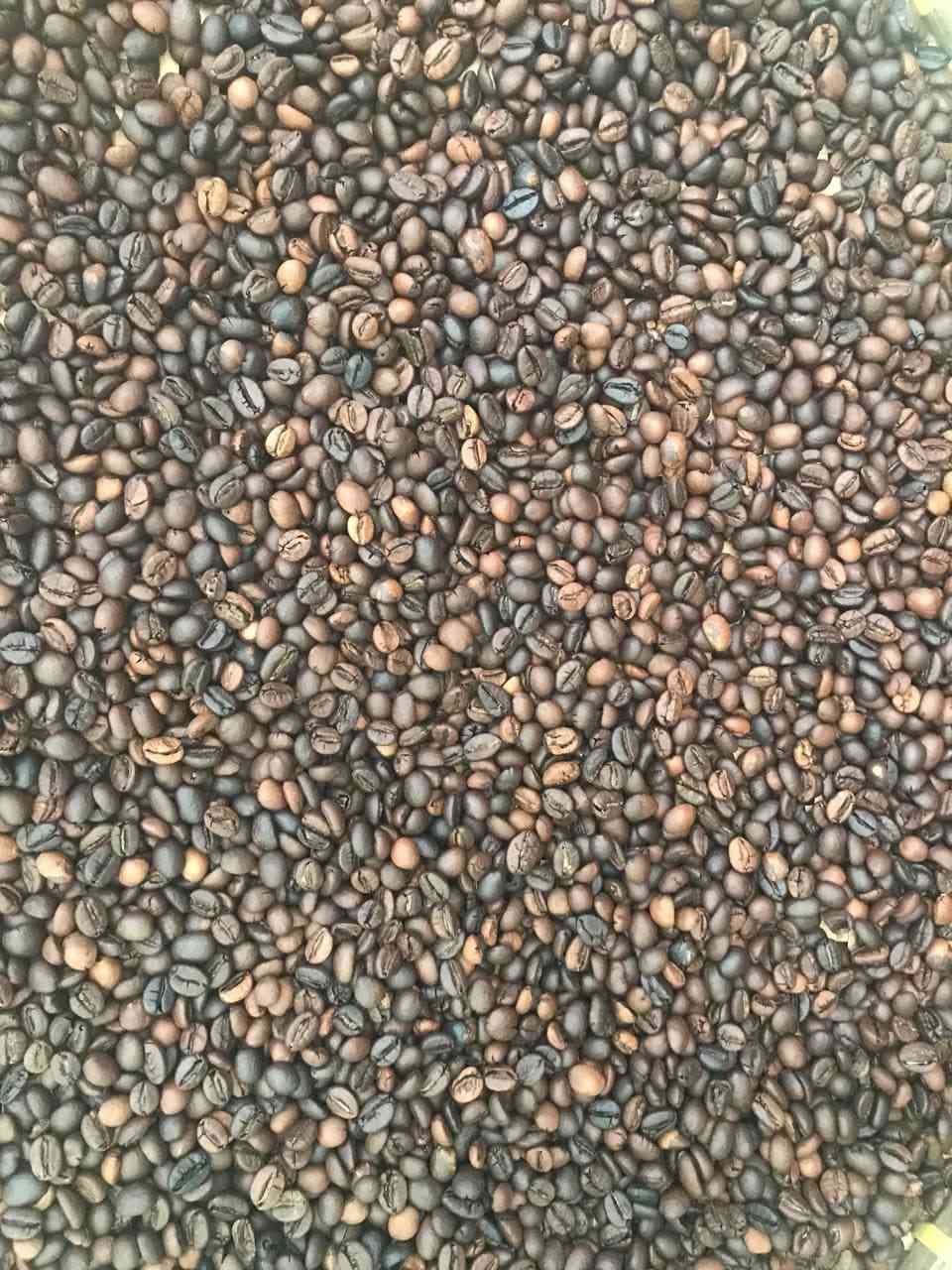
Dị vật có thể đi vào hạt cà phê xanh từ rất sớm: từ thu hái, tập kết, sơ chế, phơi, bao chứa cho đến vận chuyển và bảo quản. Vì vậy, một chương trình cà phê sạch cần nhìn nguyên liệu như một chuỗi liên tục.
Green coffee beans aren't always made up purely of intact coffee beans. On the journey from harvest to processing, drying, transport, and storage, many kinds of unwanted material can travel along with the raw-material batch. The FAO notes that green coffee can contain soil, dust, small stones, husk fragments, pulp, twigs, and leftover dried fruit parts.
This shows that foreign-matter control needs to start with the raw material — it can't wait until the roasting facility to be addressed.
From the field to the collection point
Right at the point of harvest, soil, small stones, twigs, or other foreign material can get mixed in if cherries are gathered together with debris on the ground. Harvesting tools, containers, and collection areas can also become sources of foreign matter if left uncontrolled.
A simple principle is to avoid unnecessary contact between the raw material and surfaces or objects capable of introducing contamination.
During processing
Processing is a stage involving a lot of equipment and mechanical action. Improper adjustments can increase the amount of husk, pulp fragments, or other unwanted material remaining in the beans.
The FAO describes several common types of foreign matter found in coffee after processing, including soil and dust from drying, small stones from harvest or drying on bare ground, pulp from poor depulping, parchment fragments, and twigs.
The drying stage
The drying patio, the drying surface, and the surrounding environment directly affect the risk of unwanted material mixing in. Wind can carry dust or light material onto the layer of drying coffee. If coffee is dried on an unsuitable surface, the risk of soil and small stones also increases.
Transport and containers
Foreign matter doesn't necessarily originate at the farm. Old sacks, damaged pallets, ties, wood fragments, or torn packaging material can become sources of contamination during transport. The FDA also notes that foreign matter can enter food from raw material or arise during transport, processing, and distribution.
What role do cleaning and sorting play?
After receiving raw material, a business can use appropriate cleaning, sieving, separating, or sorting steps to reduce foreign matter. But cleaning equipment shouldn't be treated as a reason to accept poorly controlled incoming raw material.
Every step has its own limits. A good system tries to prevent foreign matter from appearing in the first place, reduce it through suitable processing, and recheck at the points where it's needed.
Seeing foreign matter as a signal about the system
A stone in a batch of coffee isn't just an object to be picked out. It raises a question: which stage did that stone come from? Harvest, the drying patio, the sacks, or transport? If the stone is simply removed without finding the cause, the problem can recur in the next batch.
Conclusion
Foreign matter can enter green coffee very early on: from harvest, collection, processing, and drying through to containers, transport, and storage. So a clean-coffee program needs to view the raw material as a continuous chain.