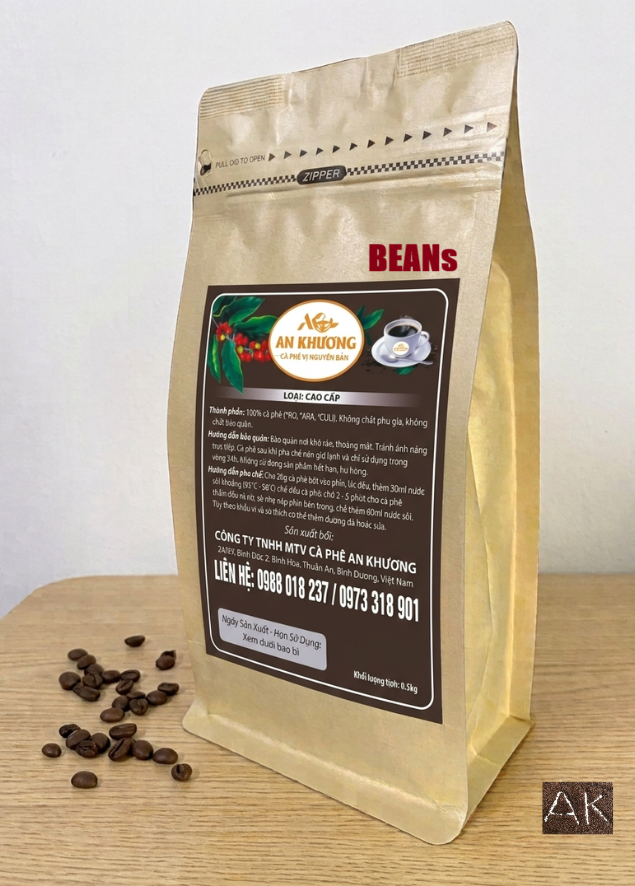
Một gói cà phê có thiết kế đẹp, bao bì sạch và đường hàn ngay ngắn chỉ cho thấy sản phẩm được trình bày tốt ở thời điểm quan sát. Nó không cho biết đầy đủ cà phê đã được bảo quản trong điều kiện nào trước đó.
Đối với cà phê, chất lượng sau đóng gói vẫn chịu ảnh hưởng của nhiệt độ, độ ẩm, ánh sáng, mùi môi trường, tình trạng bao bì, cách xếp hàng và thời gian lưu kho. Codex xem vệ sinh thực phẩm bao gồm các điều kiện và biện pháp liên quan đến sản xuất, chế biến, bảo quản và phân phối.
Bao bì đẹp không thay thế được điều kiện kho
Bao bì là lớp bảo vệ sản phẩm, nhưng nó không thể biến một kho bảo quản kém thành kho đạt yêu cầu. Nếu kho có độ ẩm cao, mùi mạnh, côn trùng, bụi hoặc cách xếp hàng không phù hợp, nguy cơ vẫn tồn tại dù bên ngoài túi cà phê hoàn toàn đẹp.
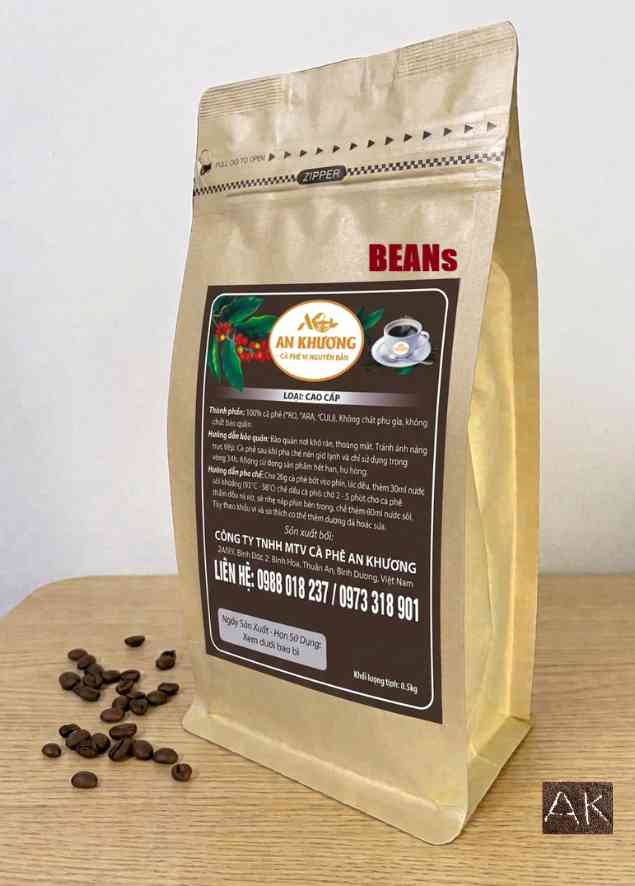
Độ ẩm là một vấn đề cần theo dõi
Cà phê là một vật liệu khô và có khả năng trao đổi ẩm với môi trường tùy theo điều kiện bao bì và môi trường. Kho có độ ẩm không phù hợp có thể làm tăng nguy cơ thay đổi chất lượng hoặc tạo điều kiện cho một số vấn đề về bảo quản.
Vì vậy, thay vì chỉ nhìn vào ngày đóng gói, cần quan tâm sản phẩm được lưu ở đâu, trong bao lâu và điều kiện môi trường có được theo dõi hay không.
Mùi trong kho cũng đáng quan tâm
Cà phê có đặc tính cảm quan rõ và có thể bị ảnh hưởng bởi mùi ngoại lai. Kho cà phê không nên đặt cạnh hóa chất, vật liệu có mùi mạnh hoặc hàng hóa không tương thích.
Cách xếp hàng ảnh hưởng đến khả năng kiểm soát
Không nên đặt bao cà phê trực tiếp xuống nền. Hàng hóa cần được sắp xếp để dễ kiểm tra, vệ sinh và xử lý khi phát hiện bất thường. Kho cũng cần hạn chế những khu vực khó tiếp cận vì đây có thể là nơi tích tụ bụi hoặc tạo điều kiện cho côn trùng trú ẩn.
Mã lô giúp nhìn thấy lịch sử phía sau một gói cà phê
Một gói cà phê không tự kể được nó đã nằm ở đâu. Hồ sơ lô hàng có thể làm điều đó.
Nếu mã lô được liên kết với ngày sản xuất, nguyên liệu, khu vực kho và hoạt động xuất hàng, doanh nghiệp có thể điều tra khi phát hiện bất thường. Đây là điểm khác biệt giữa sản phẩm trông sạch và sản phẩm nằm trong một hệ thống được kiểm soát.
Kết luận
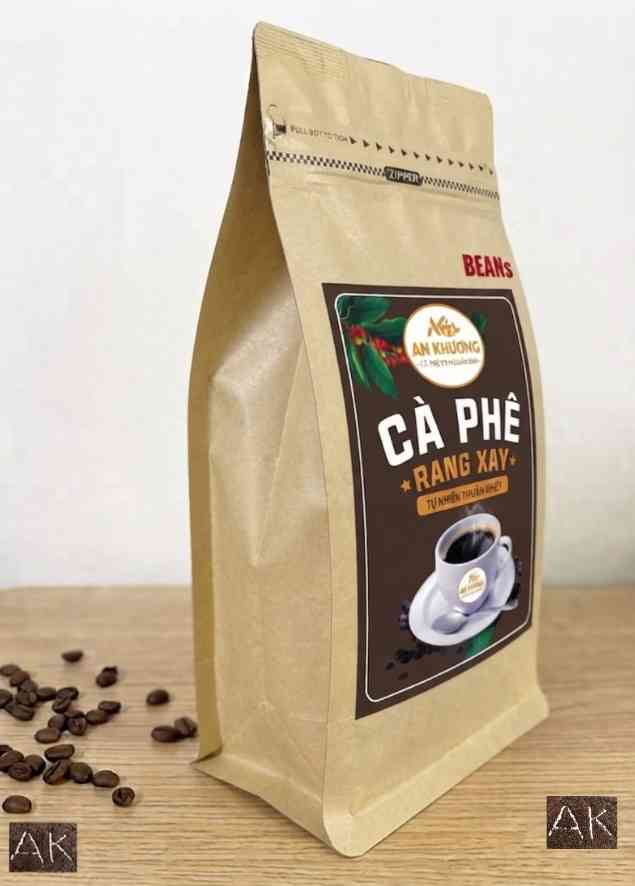
Một gói cà phê đẹp chỉ là bằng chứng về hình thức bên ngoài. Nó không chứng minh nhiệt độ, độ ẩm, mùi, vệ sinh hay lịch sử lưu kho. Cà phê sạch cần được nhìn từ cả hai phía: sản phẩm được đóng gói đúng và sản phẩm được bảo quản đúng sau khi đóng gói.
A bag of coffee with an attractive design, clean packaging, and a neat seal only shows that the product was well presented at the moment it was observed. It doesn't fully reveal what conditions the coffee was stored under beforehand.
For coffee, post-packing quality is still affected by temperature, humidity, light, environmental odor, packaging condition, how goods are stacked, and storage duration. Codex treats food hygiene as covering the conditions and measures related to production, processing, storage, and distribution.
A nice bag doesn't replace good warehouse conditions
Packaging is a protective layer for the product, but it can't turn a poorly managed warehouse into one that meets requirements. If a warehouse has high humidity, strong odor, insects, dust, or poor stacking, the risk still exists even if the outside of the bag looks perfectly fine.
Humidity is something worth tracking
Coffee is a dry material capable of exchanging moisture with its environment depending on packaging and environmental conditions. A warehouse with unsuitable humidity can increase the risk of quality changes or create conditions for certain storage issues.
So instead of just looking at the packing date, it's worth asking where the product was stored, for how long, and whether environmental conditions were actually monitored.
Warehouse odor is also worth attention
Coffee has pronounced sensory characteristics and can be affected by outside odors. A coffee warehouse shouldn't be placed next to chemicals, strongly scented materials, or incompatible goods.
How goods are stacked affects the ability to control them
Coffee sacks shouldn't be placed directly on the floor. Goods need to be arranged so they're easy to inspect, clean, and handle if something abnormal is found. The warehouse also needs to limit hard-to-reach areas, since these can become spots where dust accumulates or where insects find shelter.
A batch code helps reveal the history behind a bag of coffee
A bag of coffee can't tell you on its own where it's been stored. Batch records can.
If a batch code is linked to the production date, raw material, warehouse area, and shipping activity, a business can investigate when something unusual is found. This is the difference between a product that merely looks clean and a product that sits within a genuinely controlled system.
Conclusion
A nice-looking bag of coffee is only evidence of outward appearance. It doesn't prove temperature, humidity, odor, hygiene, or storage history. Clean coffee needs to be viewed from both sides: the product packed correctly, and the product stored correctly afterward.